A Heritage Founded uponHeaven, Earth, and Humanity
From the Dangun Tradition to a Vision for Humanity
The history of Dangun begins with Korea’s ancient founding tradition. According to traditional accounts, Dangun Wanggeom established Gojoseon in 2333 BCE, marking the symbolic beginning of the first Korean nation. Dangun is remembered not only as a founding ruler, but as a symbol of moral leadership, cultural identity, and service to humanity. The central ideal of this tradition is: Hongik Ingan — 弘益人間 To broadly benefit humanity This principle teaches that leadership should not exist for power alone. It should protect life, promote justice, care for the people, and create conditions in which society can prosper together.
The Founding Tradition
Leadership founded upon wisdom, responsibility, and service to the people.
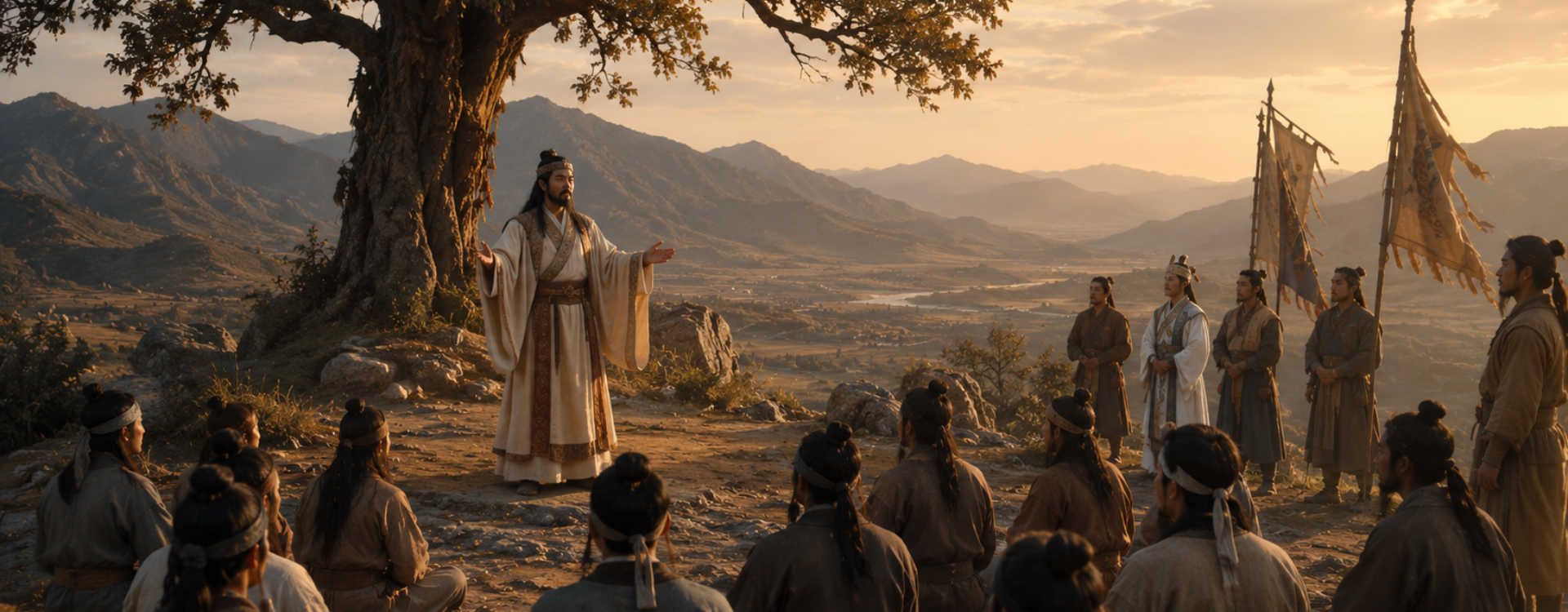
Korean tradition tells that Hwanung descended from Heaven to the human world to establish order and improve human life. Dangun Wanggeom was later born and became the founder of Gojoseon.
The story expresses a vision of leadership based on the harmony of:
Heaven — moral principle and wisdom
Earth — nature, life, and material existence
Humanity — responsibility and conscious action
Human beings therefore carry the duty to connect higher principles with practical service in the world.
Gojoseon and Korean Statehood
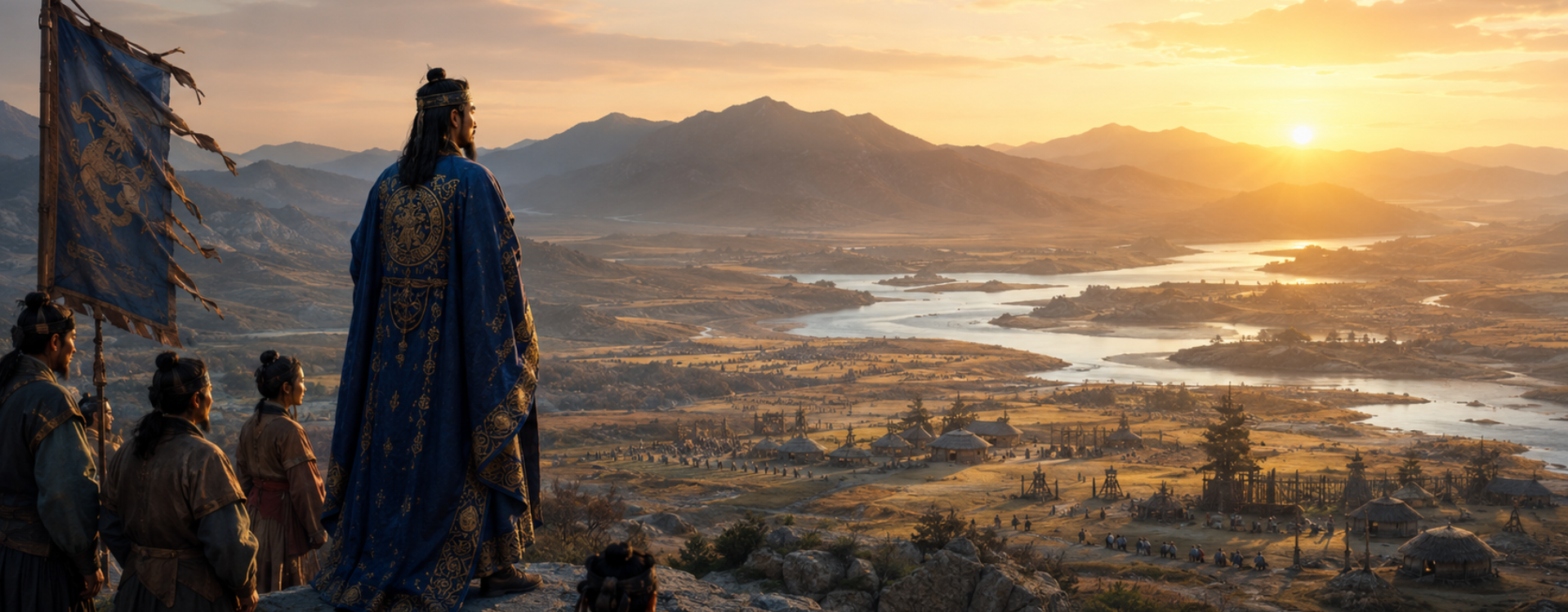
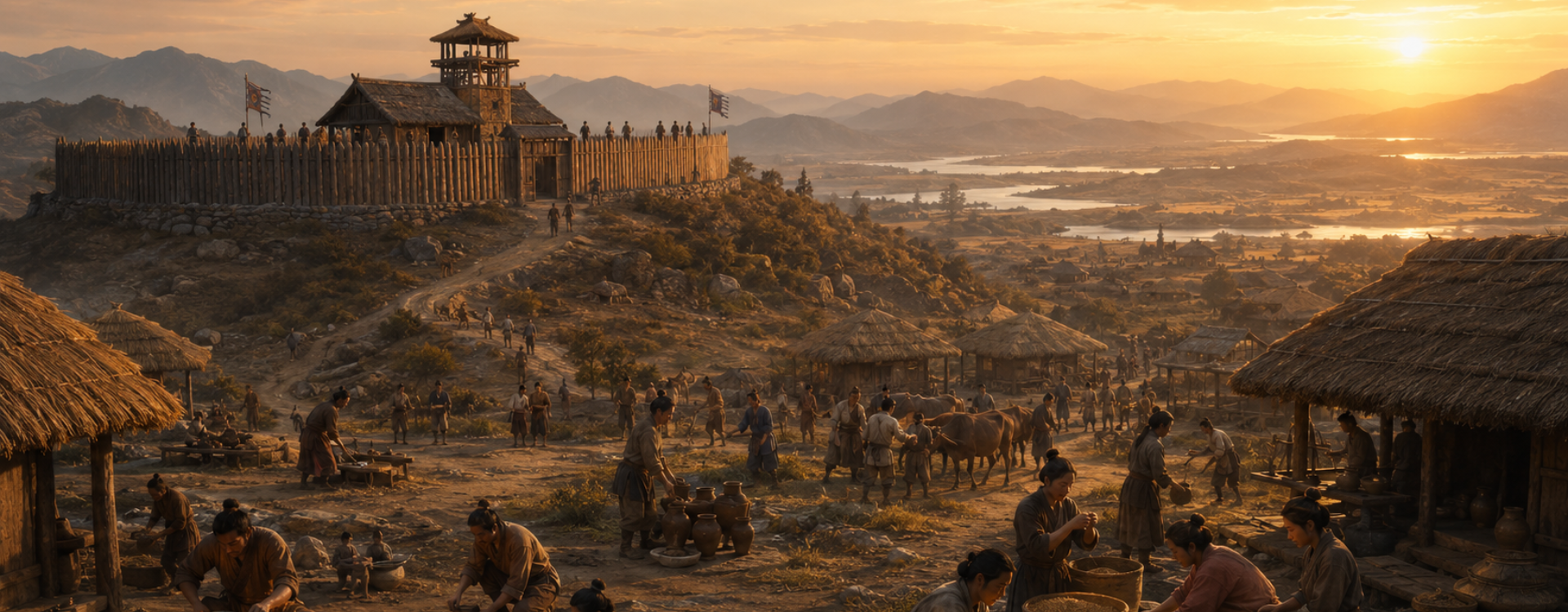
The growth of organized communities, agriculture, craftsmanship, law, and regional exchange.
Gojoseon is traditionally regarded as the earliest Korean state. Ancient communities associated with it developed political organization, legal customs, bronze culture, agriculture, and regional trade. Although the precise chronology and territorial development of Gojoseon remain subjects of historical study, the Dangun tradition has continued to represent Korea’s shared origin and cultural independence.
Dangun Through History
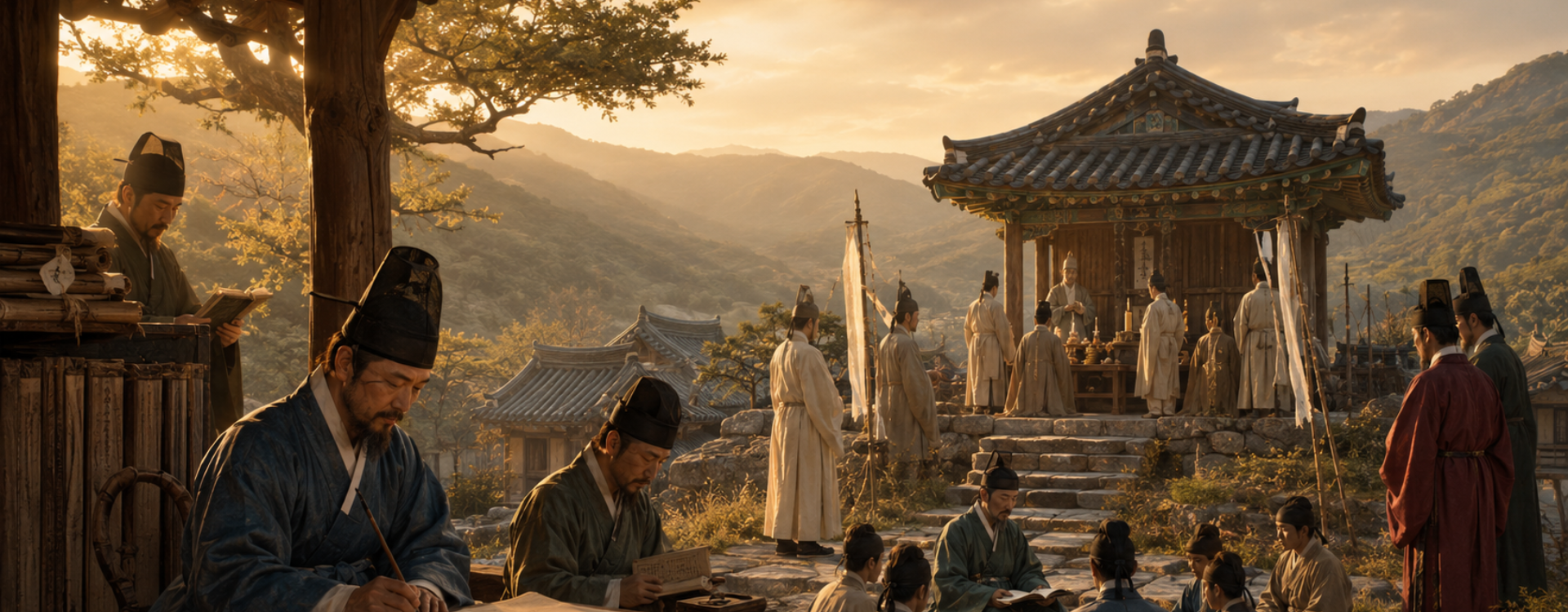
The Dangun tradition was preserved through historical records, scholarship, and national remembrance.
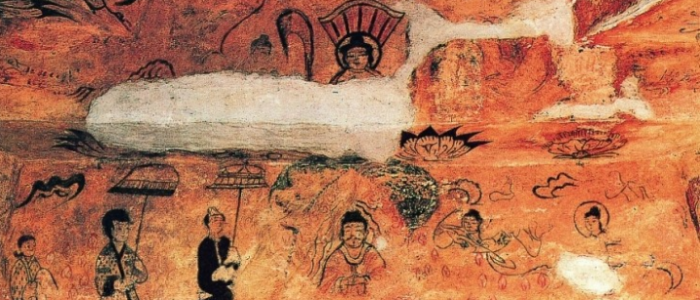
The Dangun tradition was preserved in important Korean historical works, including the Samguk Yusa and the Jewang Ungi. During the Goryeo and Joseon periods, Dangun was honored as a founding ancestor. In later centuries, especially during times of foreign pressure and colonial rule, Dangun became a powerful symbol of Korean identity, unity, and self-determination. Today, Gaecheonjeol in Korea, observed on October 3, commemorates the opening of Heaven and the founding tradition of Gojoseon.
A Heritage for the FutureThrough Every Change
Dangun Sovereign Neutral State does not seek merely to repeat the past. We seek to carry its highest principles into the modern world. Our historical direction is founded on responsible leadership, respect for human dignity, harmony with nature, ethical use of technology, peaceful cooperation, and shared prosperity. We honor Dangun by transforming the spirit of Hongik Ingan into practical action for all humanity.
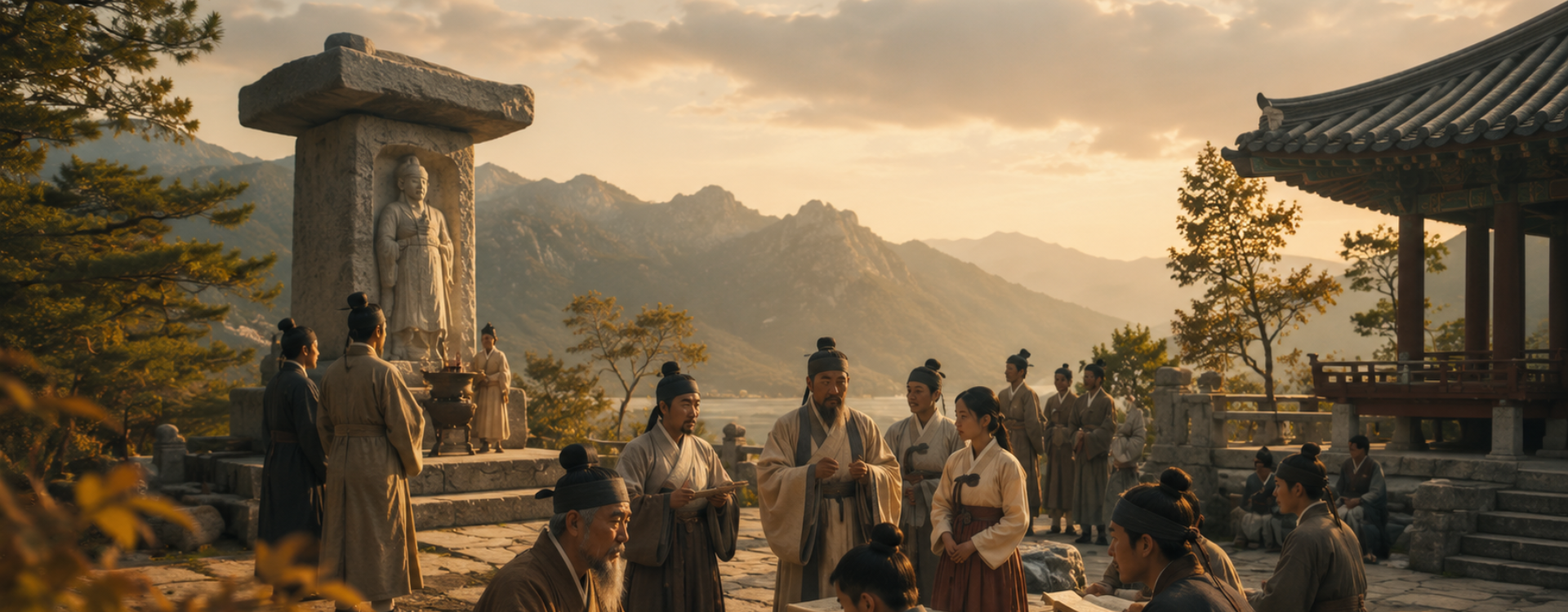
A living heritage preserved through learning, reflection, and responsibility.
DanGun does not believe that preserving tradition means repeating the past without change. True continuity means discovering new methods for a new age while remaining faithful to the original purpose.
We seek to connect ancient wisdom with modern science, technology, education, culture, and economic development to create a future in which humanity and nature can advance together.